AI Code Rescue
AI helped you build fast. We help your software last.
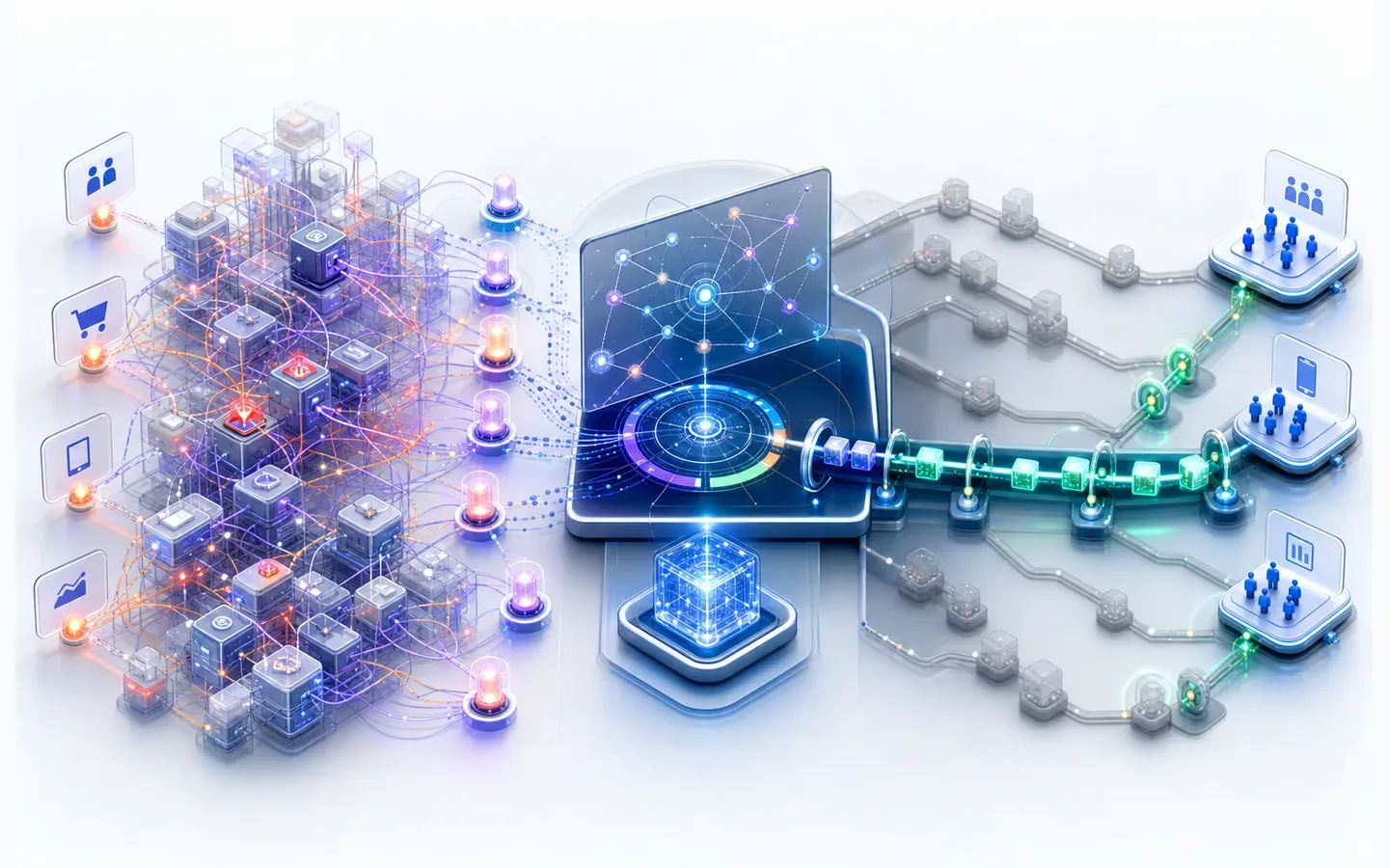
Once a first version works, the next challenge is changing it without breaking what already matters. Light Nova starts with your critical journeys and next important change, then maps current behavior, ranks risk, and builds a repair path that can be reviewed, reversed, and verified.
- Critical behavior baselined
- Risk ranked by impact
- Repairs reviewable and reversible
- Results backed by evidence



AI accelerates output. Engineering experience governs the decisions.
AI can accelerate search, analysis, and option generation. Experienced engineers remain accountable for requirements, architecture trade-offs, accepted risk, verification, and final delivery.
- 30+ years combined · NT$ tens-of-millions across projects
- Hands-on experience across the Light Nova technical team in software development, integration, optimization, and projects with a combined value in the tens of millions of NTD.
- AI projects: NT$ multi-million combined
- Combined value of related projects successfully delivered with AI-assisted development and optimization.
The 30+ years are the team members’ combined relevant experience; the tens-of-millions figure is the combined value of projects the team has worked on; the AI-project figure is the combined value of related completed deliveries. None is a claim of revenue growth, savings, ROI, or future results.
The real warning sign is not untidy code. It is change becoming hard to predict.
These signals do not automatically justify a rewrite. They do justify establishing current behavior, impact boundaries, and risk order before the next large change.
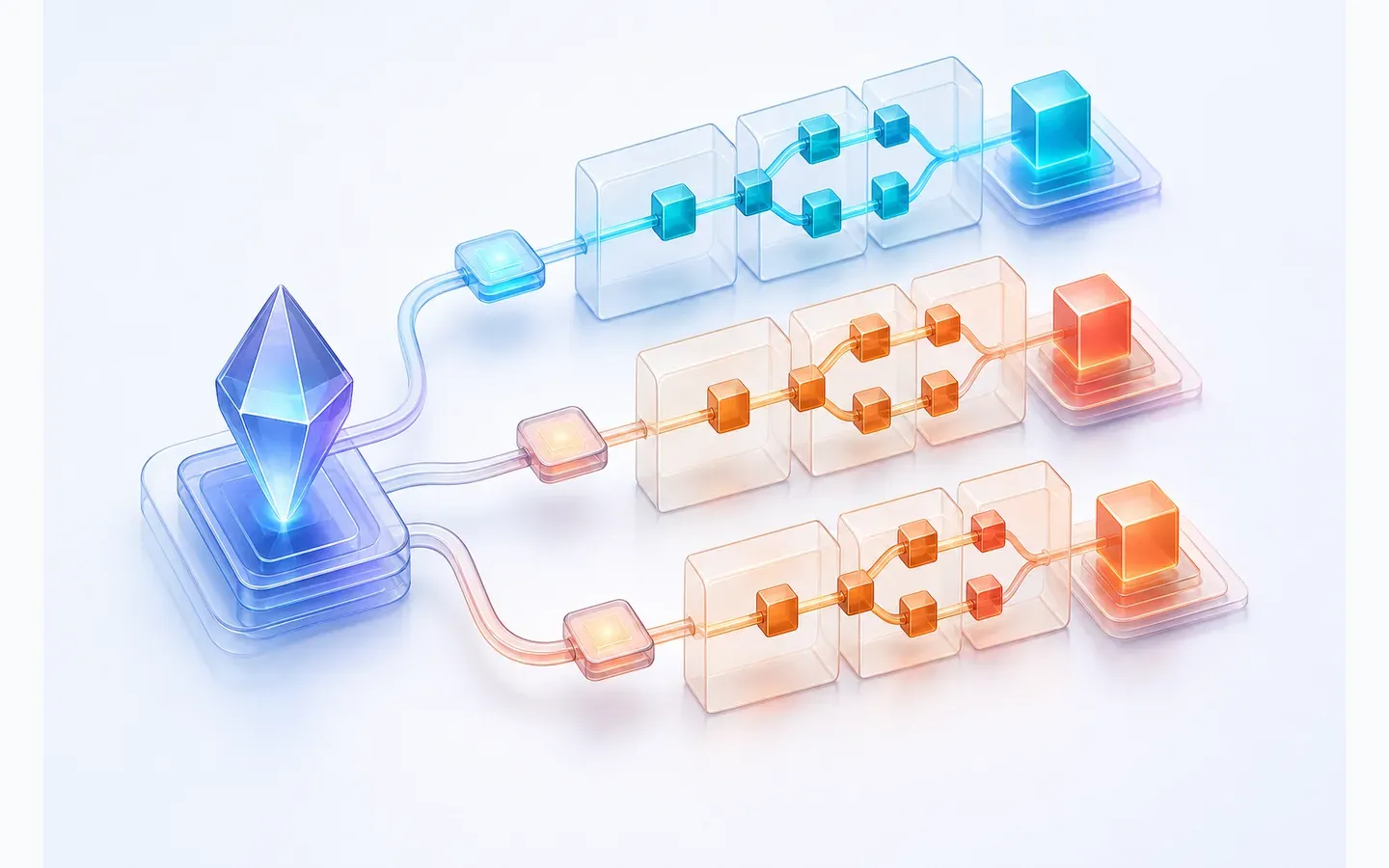
One rule has several implementations
Similar decisions live in different screens, services, or jobs, so fixing one path may leave another path unchanged.
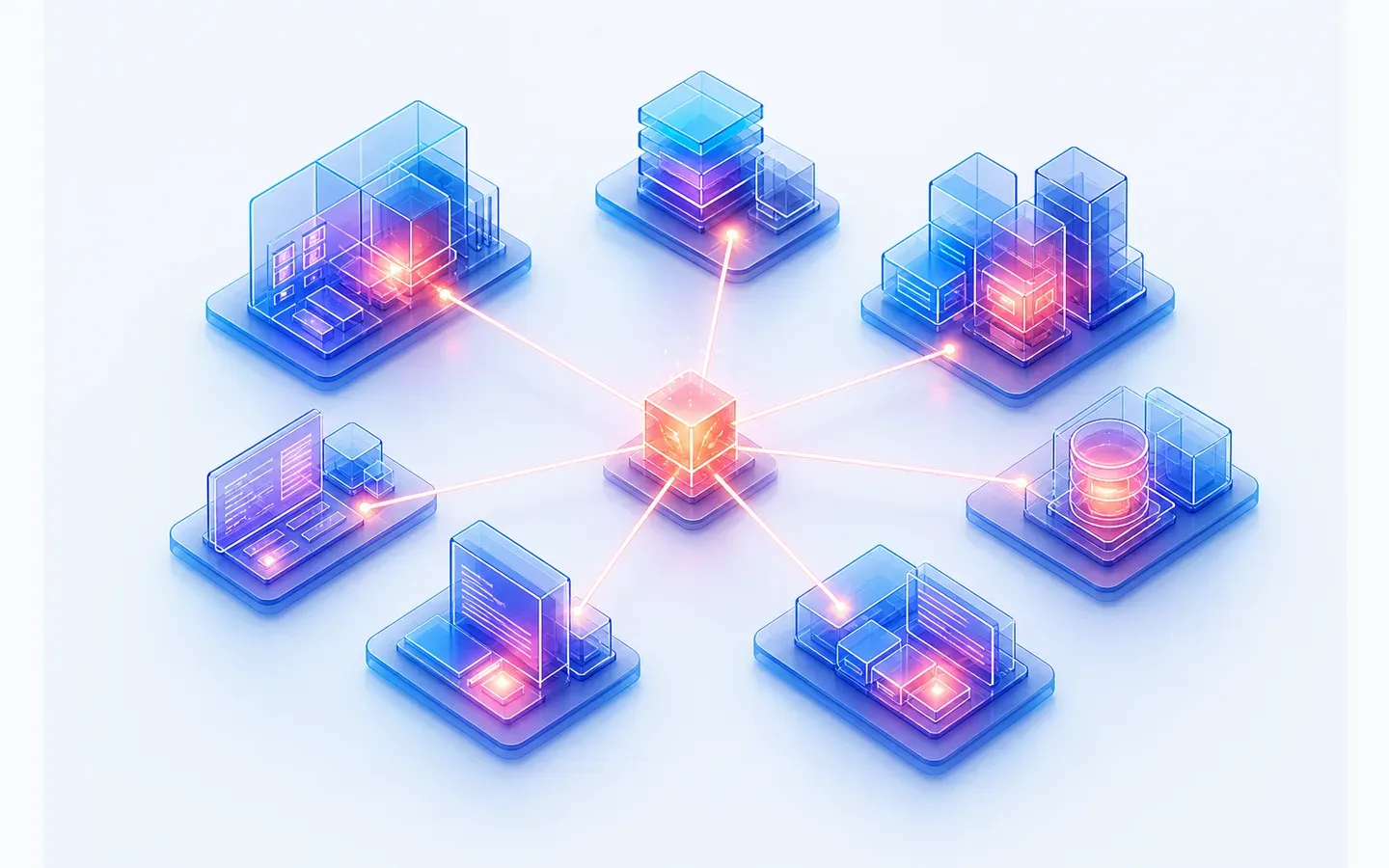
A small request crosses unrelated modules
State, data access, and side effects lack clear boundaries, making local product work difficult to keep local.
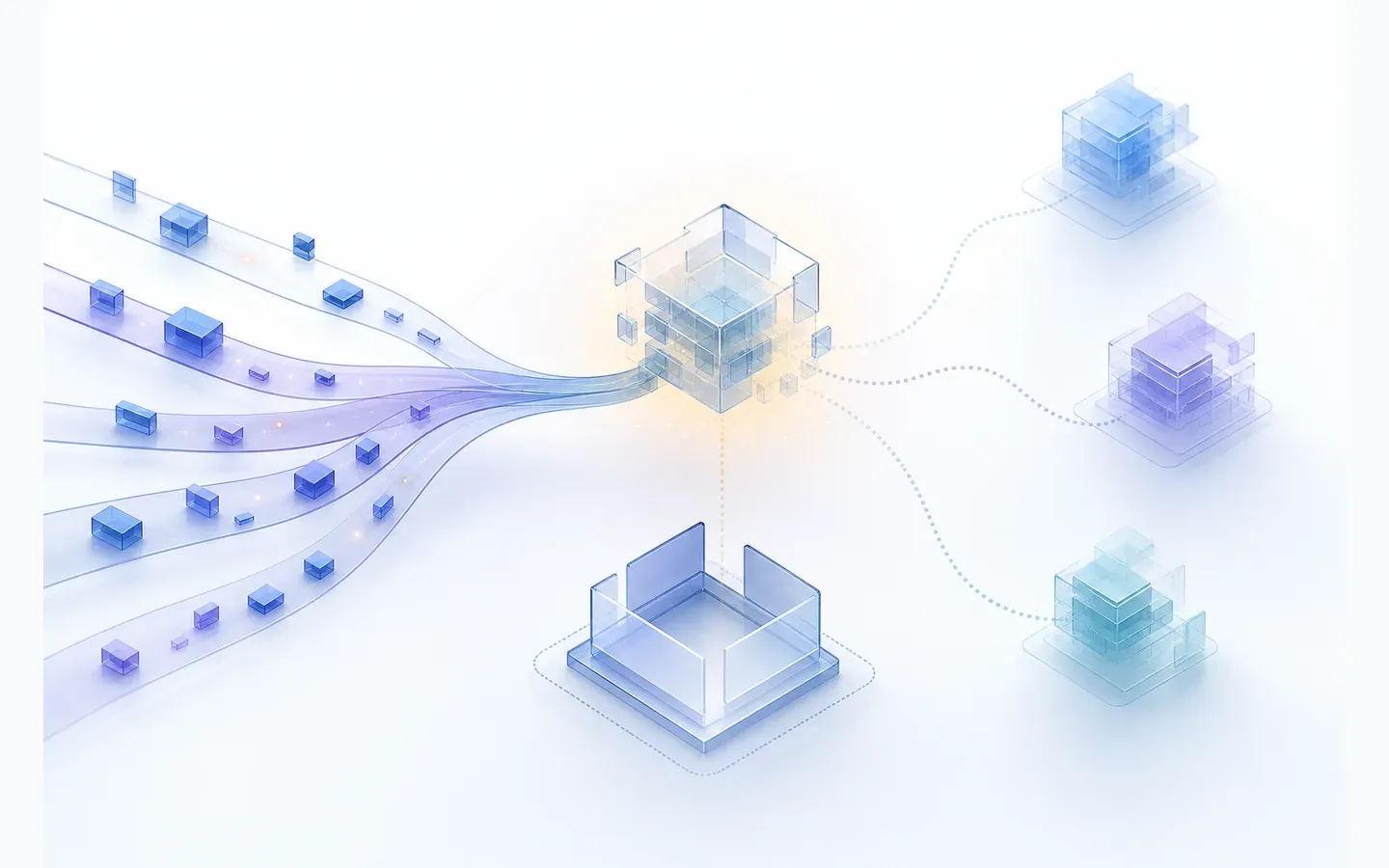
“Correct today” cannot be reproduced
Without tests, representative data, or an operating baseline, the team cannot reliably distinguish preservation from accidental product change.
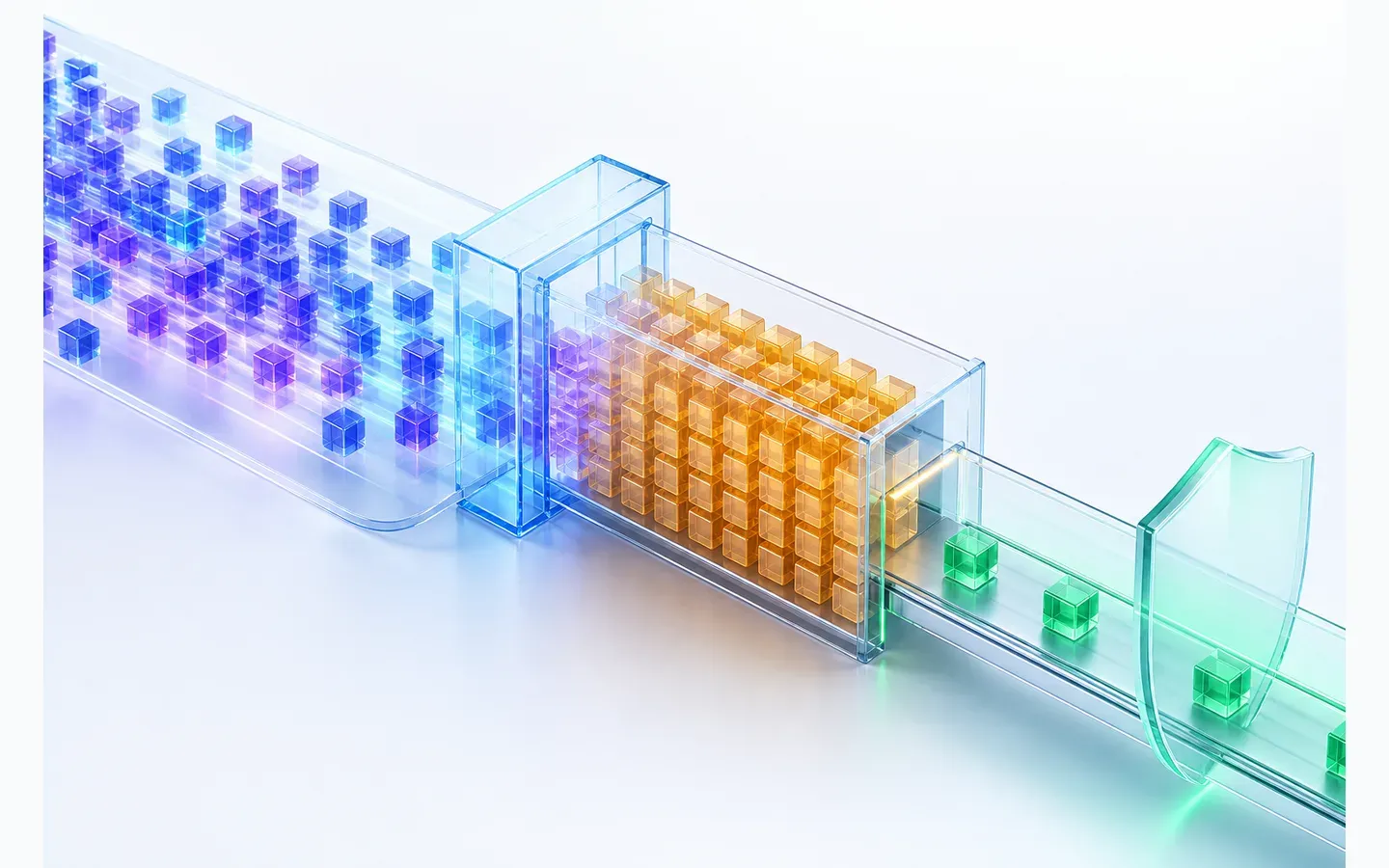
Code output grows faster than review capacity
AI expands the change surface while review, verification, and release practices remain the same, allowing unresolved risk to accumulate.
We do not optimize for tidy-looking code. We restore control over change.
Repair order should follow product impact and evidence—not which file looks oldest, messiest, or easiest to rewrite.
- 1
Map critical behavior and dependencies
Identify user journeys, data flow, integrations, background work, and failure paths that define the repair boundary.
- 2
Baseline the high-risk paths
Preserve required behavior with existing tests, characterization tests, logs, operating steps, screenshots, or other available evidence.
- 3
Simplify where it changes the economics
Consolidate structure only where it reduces duplicated decisions, change surface, or real maintenance cost.
- 4
Review trust and deployment boundaries
As scoped, inspect secrets, permissions, inputs, dependencies, external services, deployment settings, and rollback readiness.
- 5
Attach evidence to every repair slice
Connect each change to tests, QA steps, build output, performance data, or another acceptance signal agreed in advance.
- 6
Make the next change easier to govern
Leave project guidance, decision records, automated checks, and coding-agent rules that reduce recurrence.
From memory and guesswork to baselined change decisions.
Before
- Expected behavior lives in people’s memory
- The same decision is implemented several ways
- Impact is discovered after merge
- Release confidence depends on ad hoc checks
After
- Critical behavior has a reproducible baseline
- Duplicate decisions are reduced or clearly owned
- Impact and rollback are described before change
- Repeatable checks support the release decision
These are target directions, not guaranteed uniform outcomes. We record the starting point and agree on evidence before judging a stage complete.
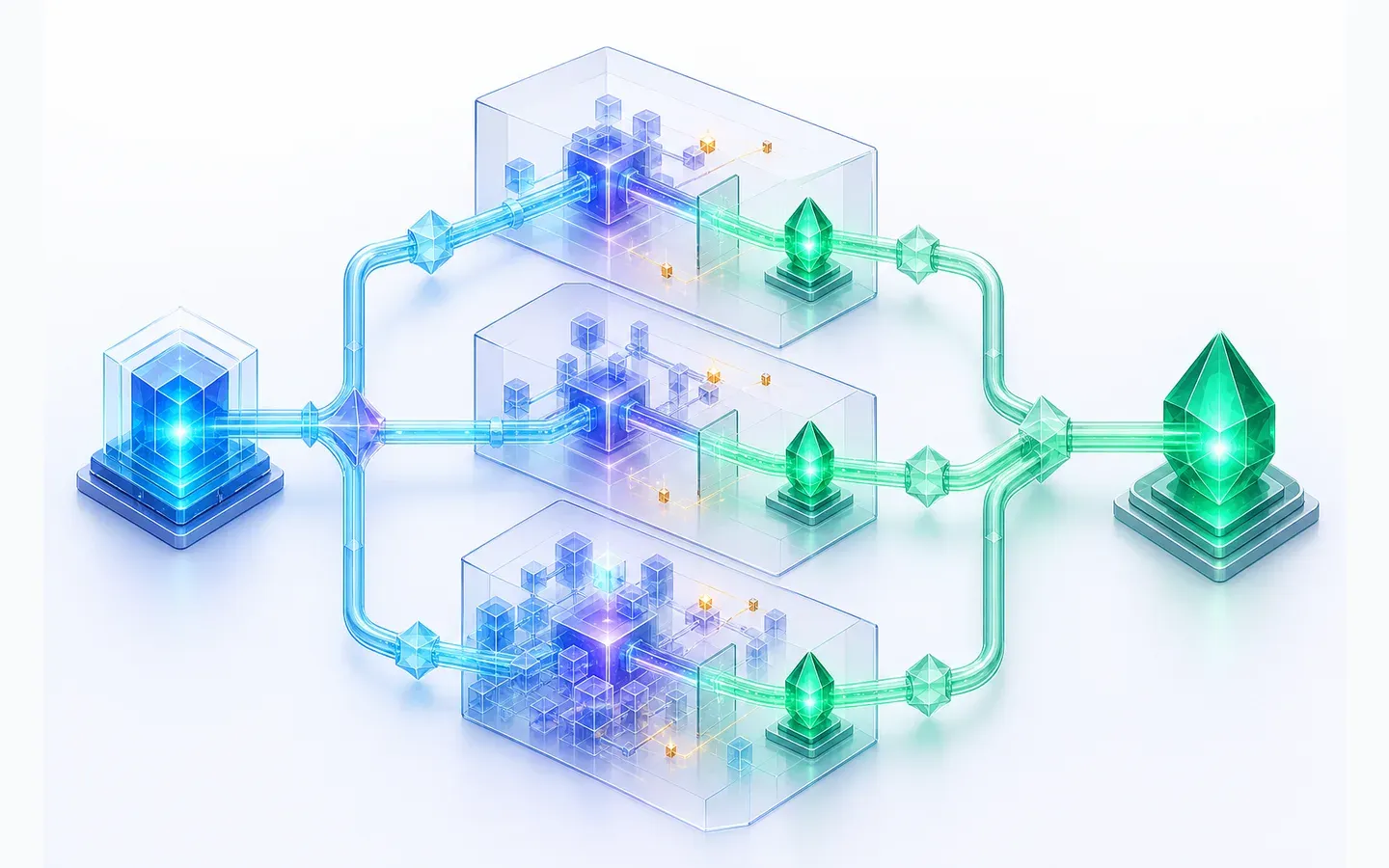
Within the agreed scope, you keep work that can be reviewed, verified, handed over, and used again.

Codebase assessment and risk register
Reviewed scope, critical behavior, key risks, evidence sources, and what remains unknown or explicitly excluded.
Staged repair plan
Purpose, priority, impact, dependencies, verification, and rollback notes for each repair slice.
Reviewable repair implementation
When implementation is in scope, small batches whose differences, decisions, and risks can be examined.
Behavior baseline and regression evidence
Tests, QA steps, build records, screenshots, or other agreed evidence suited to the system.
Human and AI engineering guardrails
Applicable project rules, coding-agent guidance, and lint, type, test, or security checks.
Decision and handoff map
Key modules, trade-offs, known limits, untreated risks, and practical next-stage recommendations.
Define the problem before deciding how much to repair.
Start with the next important change
Tell us what the product does now, what you need next, and which journeys cannot be disrupted.
Baseline behavior and rank risk
Identify critical behavior, constraints, and available evidence, then rank impact across users, data, security, and operations.
Repair in reversible slices
Each batch has a clear purpose, bounded difference, verification method, and rollback note where needed.
Accept with evidence and hand over
Confirm the agreed completion signals, document remaining limits, and leave a usable next-step path.


An initial assessment can stand on its own; it does not oblige you to commission a full repair. We propose scope, exclusions, evidence, schedule, and pricing before you decide.
Clear answers before we touch the code.
Do you only handle code from a specific AI tool?
No. We work with AI-assisted, human-written, legacy, and mixed codebases. We evaluate the product behavior, code structure, and delivery environment that exist now.
Will you recommend rewriting everything?
Usually not. A broad rewrite becomes an option only when risk cannot reasonably be isolated in the current design and the migration, verification, cost, and rollback trade-offs are more controllable. We present those trade-offs first.
Must product development stop during repair?
Not always. We assess whether branch strategy, change boundaries, feature flags, or release sequencing can separate essential delivery from repair. If parallel work is unsafe, we explain why.
How do you measure real improvement?
Measures depend on the problem and may include critical-journey results, reproducible failures, build/type/test status, duplicate decision paths, change surface, and deployment or rollback checks. No single score fits every system.
Do you need production or full repository access at the start?
Not necessarily. We begin with the least access required for the current stage and arrange a separate secure channel. Never send passwords, private keys, API keys, repository tokens, or customer data through the contact form.
Can you continue after recovery?
Yes. Further development, maintenance, release support, or periodic health reviews can be scoped separately. You may also stop after assessment and handoff.
Tell us what works today, what needs to happen next, and what cannot afford to break.
Share your stack, product stage, reproducible issue, and next important change. You do not need to attach source code or sensitive material. Do not send passwords, private keys, API keys, repository tokens, or customer data.
What happens after you contact us
- 1.We clarify the product goal, critical journeys, and explicit exclusions.
- 2.If code review is needed, we arrange a secure, least-privilege method separately.
- 3.You receive options, acceptance evidence, schedule, and pricing before deciding whether to proceed.